Skip to content
Home » Awareness Days » How Many Days Until World Vegan Day? (2026)

How Many Days Until World Vegan Day? (2026)

    Next event in

    World Vegan Day

    147
    01
    02
    59
    World Vegan Day Days Until: Sunday, November 1, 2026

    How many days until World Vegan Day?

    World Vegan Day is on Sunday, November 1, 2026. There are 147 days left until World Vegan Day.

    Plan the date

    Date & Planning Details

    147 days left
    Next date

    World Vegan Day is scheduled for this date.

    DaySunday Time zone+03:00
    Add to Google Calendar

    World Vegan Day Calendar (2026-2040)

    YearDateDayDays LeftWeekend?
    2026November 1Sun 147 daysYes
    2027November 1Mon 512 daysNo
    2028November 1Wed 878 daysNo
    2029November 1Thu 1243 daysNo
    2030November 1Fri 1608 daysNo
    2031November 1Sat 1973 daysYes
    2032November 1Mon 2339 daysNo
    2033November 1Tue 2704 daysNo
    2034November 1Wed 3069 daysNo
    2035November 1Thu 3434 daysNo

    This countdown uses the selected timezone to keep the live timer and date table consistent.

    On November 1 each year, World Vegan Day puts vegan living on the calendar in a simple, practical way. The date also appears in broader lists like the global observance days calendar, where international awareness events highlight topics ranging from food and lifestyle choices to health, science, and environmental issues throughout the year. It began in 1994, and you’ll often see it linked with World Vegan Month too—so the “try it once” idea can stretch into a week, or even longer (if it clicks).

    Date
    November 1

    Started
    1994

    Focus
    Vegan food and everyday choices

    World Vegan Day isn’t about perfection. It’s more like a reminder that small swaps add up, even when life is busy and dinner is whatever you can pull together fast.

    ItemWhat It MeansWhy People Care
    VeganNo meat, fish, dairy, eggs, or other animal-derived ingredientsFood choices, ethics, and routine habits
    Plant-basedMostly plants (but sometimes still includes animal foods)Many use it for taste or wellness goals
    VegetarianNo meat or fish, but dairy/eggs may be includedOften a stepping stone for some families
    Allergen note“Vegan” does not always mean allergen-freeWatch for soy, nuts, wheat, and sesame

    What World Vegan Day Marks

    The idea of “vegan” as a word dates back to 1944, when it was coined to describe eating and living without animal products. Then, in 1994, World Vegan Day was created to mark the 50th anniversary of that earlier moment. Worth noting is how the day landed: simple date, clear name, easy to remember.

    These days the day shows up in different ways. Some people use it to try a single vegan breakfast. Others use it for the less glamorous stuff—checking pantry staples, learning which label terms matter, or figuring out what to do about vitamin B12 (the question that never goes away).

    “One meal can be a test run.”

    That’s often how it starts

    How Vegan Eating Works Day to Day

    Vegan eating is mostly about ingredients, not complicated rules. The basics are straightforward: choose plants, skip animal-derived foods, and learn a few reliable go-tos you actually like. And yes, it can be simple. Some nights it’s a bean chili. Other nights it’s toast, hummus, and whatever veggies are left (been there).

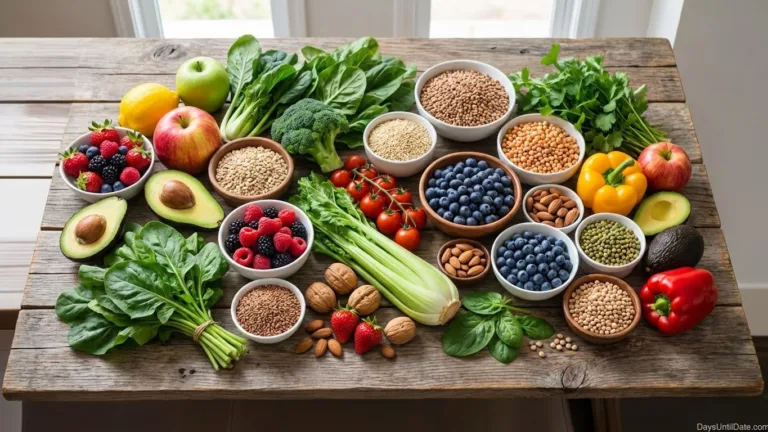
    In practice, most people build vegan meals around a short list: beans and lentils, tofu or tempeh, whole grains, potatoes, nuts and seeds, and a rotating cast of vegetables and fruit. The “protein problem” is usually more of a planning problem—if meals are just pasta and salad, you’ll feel it. Add lentils or tofu and it settles down.

    • Quick protein: lentils, chickpeas, tofu, edamame
    • Fast calories: rice, oats, potatoes, bread
    • Flavor helpers: tahini, miso, lemon, spices, herbs

    Portion Numbers People Actually Use

    If you like numbers (some folks do), these are common daily targets for adults: protein around 0.8 g per kg of body weight, fiber often around 25–38 g, and plenty of fluids. No need to treat it like homework, but the numbers can help when you’re adjusting portions and wondering why lunch didn’t stick.

    Food Labels and Eating Out

    Label reading gets easier after the first week. The main “surprise” ingredients tend to be whey, casein, gelatin, egg whites, honey, and sometimes milk powder hiding in snacks. Restaurants vary a lot, too, depending on local habits and the kind of cuisine—some places make it effortless, others are a bit of a faff, but you learn your spots.

    There are also country and region differences that feel small until you travel. In the UK, “vegan” is common on menus, and you’ll hear people talk about Veganuary like it’s a normal season. In parts of India, plant-forward eating is already woven into daily cooking, so vegan choices can be easier to find (though you still check for ghee and yogurt). In North America, fast-casual chains often offer plant-based add-ons, which helps on road trips.

    Small Label Tip That Saves Time

    When you’re scanning ingredients, look for the “contains” allergen line first. It won’t catch everything, but it’s a quick filter for milk and egg. Then you can decide if it’s worth reading the rest (because honestly, tiny print is tiny print).

    Nutrition Basics People Forget

    Most vegan meals cover the obvious stuff—carbs, fats, protein—without drama. The details that need a little attention are a short list: vitamin B12, vitamin D (depending on sun and season), iodine, omega-3 fats, iron, calcium, and zinc. Think of it like packing for a trip: you don’t need everything, you just don’t want to forget the charger.

    NutrientTypical Daily Target (Adults)Vegan-Friendly Sources
    B12About 2.4 mcgFortified foods, supplements
    ProteinAbout 0.8 g/kgBeans, lentils, tofu, tempeh, soy milk
    CalciumAround 1,000 mgFortified plant milks, calcium-set tofu, greens, tahini
    IodineAround 150 mcgIodized salt, measured seaweed (small amounts)
    Omega-3 (ALA)About 1.1–1.6 gGround flax, chia, walnuts, hemp seeds
    IronCommonly 8–18 mgLentils, beans, pumpkin seeds, greens (pair with vitamin C)

    If you’re managing a health condition, pregnant, nursing, or feeding a child, it’s smart to check in with a qualified professional. That’s not scary advice—just normal life admin. For most adults, though, the “hard part” is simply remembering B12 and keeping meals balanced instead of snacky.

    Smart Swaps That Feel Normal

    The easiest swaps are the ones that match the role of the original food: creamy, salty, chewy, melty. When you pick replacements that behave the same way, the meal doesn’t feel like a project. It feels like dinner. That matters.

    • Creamy: oat or soy milk, cashew sauces, blended white beans
    • Chewy: mushrooms, tempeh, baked tofu, lentil patties
    • Umami: miso, soy sauce, tomato paste, roasted onions
    • Eggy vibe: tofu scramble with turmeric and black salt (a little goes a long way)

    A single metaphor, and I’ll keep it moving: switching a few staples can feel like swapping out one app on your phone—same device, smoother day. Not a new personality. Just fewer friction points, and you’re off.

    Planet Notes Without the Lecture

    Food choices touch land use, water use, and greenhouse gas emissions, but you don’t need a spreadsheet to grasp the general pattern. Research often finds that diets built around plants tend to use less land and create lower food-related emissions than diets heavy in animal products. If you already like environment topics, your World Environment Day page fits naturally alongside this one.

    Still, many people choose vegan food for personal reasons that have nothing to do with numbers—taste, routine, or how they feel after meals. Fair enough. Also true: plant-based options have become more common in everyday places lately, from supermarket aisles to coffee shops, so it’s less “special request” and more normal order.

    Common Questions People Ask

    Is World Vegan Day Always on the Same Date?

    Yes. It stays on November 1 every year, which makes it easy to plan around.

    Do You Need Supplements on a Vegan Diet?

    Many vegans use B12 consistently, and some people also use vitamin D or omega-3 depending on season and food choices. It’s individual, and it doesn’t have to be complicated.

    Is Vegan Food Automatically Healthy?

    Not automatically. Vegan cookies are still cookies (delicious, but still). A steady pattern of whole foods plus enough protein usually feels best for day-to-day energy.

    What Is the Easiest First Step?

    Pick one meal you already like and make it vegan with one or two swaps. Keep the rest the same. Low drama, higher chance you’ll repeat it.

    Leave a Reply

    Your email address will not be published. Required fields are marked *

    Countdown Upcoming Events