Skip to content
Home » Blog » How Many Days Until Oscars? (2027)

How Many Days Until Oscars? (2027)

Next event in

Oscars

317
00
00
00

Oscars Calendar (2026-2028)

YearDateDayDays Left
2027March 14Sun316 days
2028March 5Sun673 days

Oscar Sunday is not a fixed holiday on the calendar; it moves with the film season, voting schedule, broadcast slot, and sometimes the wider awards calendar. The next Oscars ceremony is scheduled for Sunday, March 14, 2027, with the 100th Oscars already dated for Sunday, March 5, 2028. That makes the date worth checking every year, especially for viewers outside the United States, where the live show often lands on a Monday morning.

Oscars Date and Basic Details

Next Ceremony99th Academy Awards
DateSunday, March 14, 2027
100th OscarsSunday, March 5, 2028
Main LocationDolby Theatre at Ovation Hollywood, Los Angeles
Typical Start Time7 p.m. Eastern Time / 4 p.m. Pacific Time when announced for U.S. live broadcast
OrganizerThe Academy of Motion Picture Arts and Sciences
Current Award Count24 competitive categories after the addition of Achievement in Casting

When Are the Oscars?

The Oscars usually take place on a Sunday evening in late winter or early spring. The exact date changes because the Academy needs room for eligibility checks, shortlist voting, nominations, final voting, rehearsal time, and a live broadcast window that works for television and streaming partners. It sounds neat from the outside. Behind the scenes, the calendar is tight.

For 2027, the ceremony is set for March 14. Nominees are scheduled to be announced earlier in the season, which gives viewers several weeks to catch up on films before the envelopes open. In the United Kingdom, Europe, Turkey, India, Australia, and other time zones east of Los Angeles, the live ceremony may fall late at night or the next morning. Not ideal for sleep, no. But film fans still do it.

Dates can shift before final confirmation, so the safest habit is simple: treat the announced Academy date as the main date, then check the local broadcaster closer to the event. For countdown pages, calendars, and reminders, use the ceremony date first, then mention local time differences in the page text.

Why the Oscars Date Changes

The Oscars are tied to a full award season, not a single annual date like New Year’s Day or Halloween. Films must meet eligibility rules, branches must vote, nominees need to be announced, and the final ballots must close before the show. The Oscars calendar works like a moving train schedule: the public sees the arrival time, while every stop before it matters.

  • Film eligibility: Movies must fit the Academy’s release and category rules for that award year.
  • Branch voting: Many categories begin with members from the relevant craft branch, such as actors, directors, writers, or cinematographers.
  • Final voting: Academy members vote on winners after nominations are set.
  • Broadcast planning: The show needs a live slot, rehearsals, production design, presenters, music cues, and red carpet coverage.

That is why the Oscars can sit in February one year and March another year. The show is glamorous on screen, but the timing is built from deadlines, ballots, travel, stage planning, and live production needs. A bit plain, maybe, but true.

How the Oscars Work

The Oscars are presented by the Academy of Motion Picture Arts and Sciences, a professional film organization with more than 11,000 members. Members come from many areas of filmmaking, including acting, directing, writing, editing, costume design, visual effects, music, documentary work, animation, and artist representation. So, the ceremony is not only about famous actors. Plenty of the work being judged happens far from the camera.

Most viewers know the biggest awards: Best Picture, directing, acting, screenwriting, international feature, animated feature, and documentary feature. The technical categories matter just as much to film people. Cinematography, sound, editing, production design, makeup and hairstyling, costume design, visual effects, and music shape what audiences feel in a theater, even when they cannot name the exact craft.

Voting Branches

Different Academy branches help choose nominees in many categories. Actors vote for acting nominees, directors vote for directing nominees, and so on. Then final voting opens to eligible Academy members, depending on category rules. It keeps craft knowledge close to the process, which makes sense.

Award Categories

The 98th Oscars introduced Achievement in Casting, bringing the competitive category count to 24. That change gave casting directors a place on the main Oscars stage for the first time, after years of industry attention around casting as a creative craft.

A Short History of the Oscars

The first Academy Awards took place on May 16, 1929, in the Blossom Room of the Hollywood Roosevelt Hotel. It was a private dinner rather than the huge televised show people know now. Only 270 people attended, and guest tickets cost $5. The winners were already known before the event, which feels strange today, because the modern Oscars run on suspense.

By 1953, the Oscars had reached television. The 25th Academy Awards aired from Hollywood and New York, and TV changed the event’s shape: speeches, timing, staging, clothing, music, and even the walk to the microphone started to matter in a new way. The ceremony no longer belonged only to the room. It belonged to living rooms too.

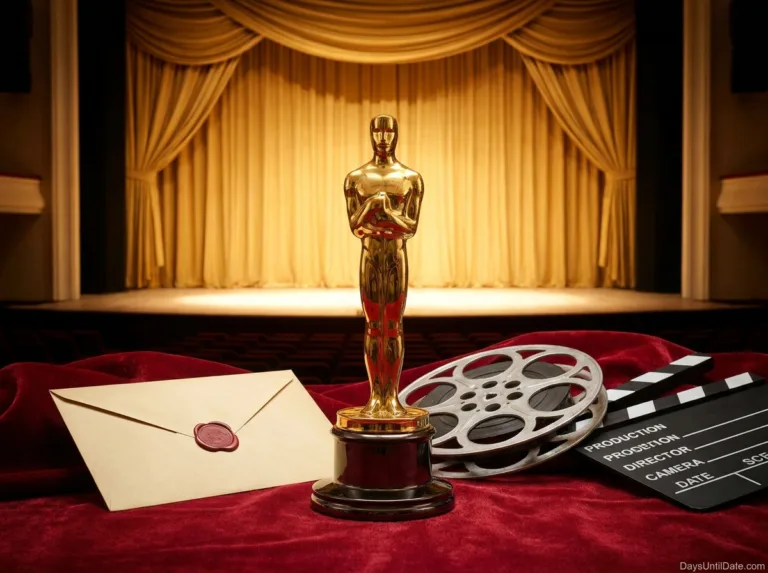
The name “Oscar” became the familiar nickname for the Academy Award statuette and was later used officially. The origin story has a few versions, which is part of the charm. What is clear is the object itself: a knight holding a sword, standing on a film reel. Not a random design, then.

Oscar Statuette Facts

The Oscar statuette is smaller than many people expect, yet it has a serious weight in the hand. It stands 13.5 inches tall and weighs 8.5 pounds. And yes, the trophy is heavier than it looks.

The five spokes on the film reel represent the Academy’s five original branches: actors, directors, producers, technicians, and writers. The statuette has kept its familiar look for decades, though the base was adjusted before settling into its current standard in 1945.

The Oscar is not just a prize for one night. It is a small, heavy record of film craft, public taste, studio history, and industry voting all meeting in one object.

What Changed Recently

The Oscars keep their old rituals, but they do change. The 2026 ceremony added Achievement in Casting, the first new competitive Oscar category since Best Animated Feature Film was created in 2001. That change matched what many viewers already notice: the right cast can shape the whole feel of a film before a single scene is shot.

Another change is already on the calendar. Achievement in Stunt Design is scheduled to begin with the 100th Oscars in 2028, honoring films released in 2027. For action, adventure, comedy, and large-scale screen storytelling, stunt work has always carried both planning and performance. Now the Academy has made room for it.

Streaming has changed the way people watch, too. The 98th Oscars aired on ABC and streamed live on Hulu in the United States, while international viewers relied on local broadcast and streaming partners. That mix feels normal now. Twenty years ago, it would have sounded a little odd.

How Viewers Follow the Show

Viewers usually follow the Oscars in three layers: the nominations, the red carpet, and the main ceremony. The nominations help people build a watch list. The red carpet gives fashion and interview moments. The main ceremony brings the awards, speeches, music performances, and those little unscripted pauses that everyone talks about the next day.

Outside the United States, the experience depends on local listings. A Sunday evening start in Los Angeles can become a very late night in London, an early morning in Istanbul, and a Monday workday situation in Sydney. If you are setting a reminder, check the local date, not just the U.S. date.

Some readers track the Oscars as part of a wider film and pop-culture calendar. That is where related dates, such as Star Wars Day, fit naturally beside awards season pages. One is an industry award ceremony; the other is a fan date. Different mood, same screen-culture neighborhood.

Oscars Time Zones

RegionHow the Date Usually FeelsUseful Note
U.S. West CoastSunday afternoon red carpet, Sunday evening showPacific Time is the local Hollywood time zone.
U.S. East CoastSunday evening and late nightEastern Time is often used in U.S. broadcast listings.
United KingdomLate Sunday into early MondayViewers often check replay or highlights the next day.
Europe and TurkeyEarly Monday morning for live viewingLocal listings matter because clocks and rights can differ.
Australia and New ZealandMonday daytime in many casesThe Oscars may feel like a next-day event.

Why People Care About the Oscars

The Oscars still matter because they connect several audiences at once. Casual viewers look for famous faces and big speeches. Film fans watch patterns: which studios are rising, which directors are gaining momentum, which international films are crossing borders. Craftspeople pay attention to the categories most viewers may skip on a normal day.

An Oscar win can also change a film’s second life. Smaller films may return to theaters, streaming titles may get a fresh wave of viewers, and older winners often see renewed interest. This is why the ceremony remains useful beyond the red carpet. It sends people back to the films.

For families and friends, Oscar night can be casual: a sofa, snacks, a ballot sheet, a few strong opinions about Best Picture. Nothing fancy required. The show is long, yes, and sometimes uneven, but the shared guessing game keeps people watching.

Common Oscars Questions

Is Oscars the Same as the Academy Awards?

Yes. The Oscars is the common name for the Academy Awards. Both names refer to the same annual awards presented by the Academy of Motion Picture Arts and Sciences.

Why Are the Oscars Usually on Sunday?

Sunday works well for a live awards show because many viewers are home, the entertainment calendar is easier to manage, and a long evening broadcast has more room to breathe. For international viewers, though, Sunday in Hollywood may mean Monday locally.

What Is the Biggest Oscar Award?

Best Picture is usually treated as the top award because it honors the film as a whole. Acting, directing, writing, and craft awards carry their own weight, but Best Picture is the one most viewers remember first.

How Many Oscar Categories Are There?

There are 24 competitive categories after the addition of Achievement in Casting. That number is scheduled to grow when Achievement in Stunt Design begins with the 100th Oscars.

Do the Oscars Always Happen in Los Angeles?

The Oscars are closely tied to Los Angeles and Hollywood. The current main home is the Dolby Theatre at Ovation Hollywood, though the ceremony has used different venues across its history.

Useful Oscars Details for Calendars

When adding the Oscars to a calendar, use the ceremony date, then add the local start time once your broadcaster confirms it. For 2027, that means starting with Sunday, March 14, 2027. For viewers in later time zones, add a note that the live ceremony may continue into Monday.

It also helps to track the nominations date, because that is when the public watch list becomes clearer. After nominations arrive, people start comparing Best Picture contenders, catching up on shorts, and looking for international feature entries they missed. The countdown becomes more useful then, not just prettier on the page.

Leave a Reply

Your email address will not be published. Required fields are marked *